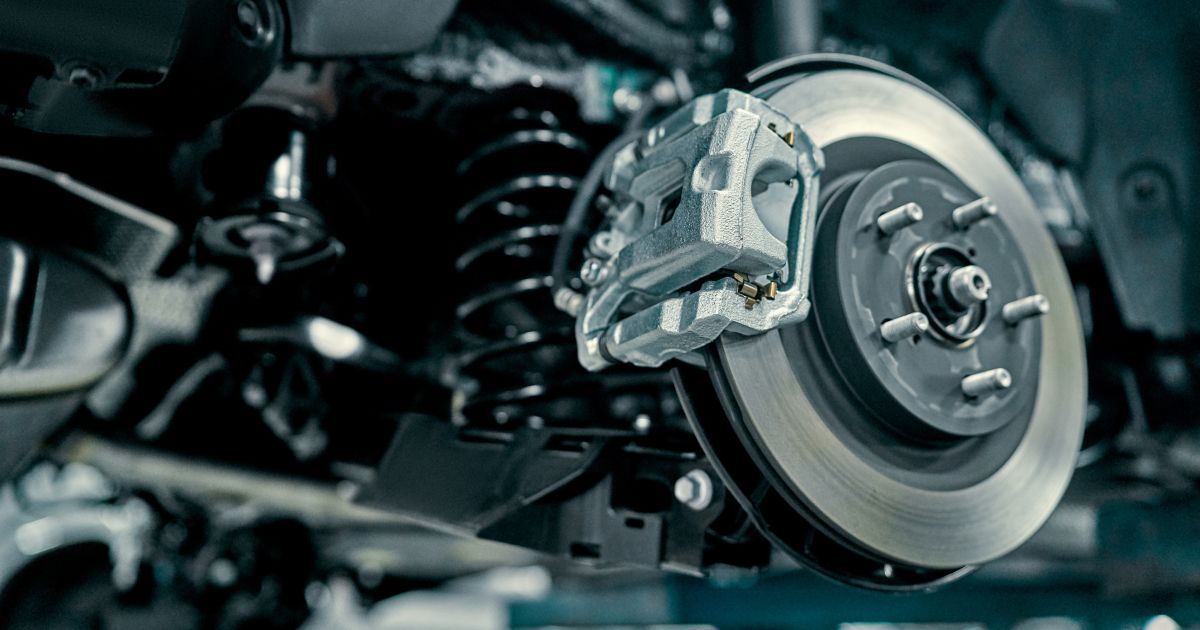
As the vibrant hues of fall begin to sweep through Philadelphia, it’s a reminder that seasonal changes can affect more than just our wardrobe choices. Your vehicle’s braking system is one component that can be significantly impacted by the autumn weather. Understanding these effects can help ensure that your brakes remain in optimal condition, keeping you safe on the road. Colder Temperatures and Brake Performance With the arrival of fall, temperatures start to dip, which can influence your brake system’s performance. Cold weather can cause brake pads and rotors to contract, potentially leading to reduced braking efficiency. It’s essential to be aware of any signs of reduced performance, such as increased stopping distances or unusual noises, as these could indicate that your brakes need attention. Moisture and Corrosion Concerns Fall in Philadelphia often brings increased moisture levels due to rain and morning dew. This moisture can lead to rust and corrosion on your brake components, particularly if your vehicle is parked outdoors for extended periods. Corrosion can weaken the brake system and reduce its effectiveness. Regular inspections and maintenance at Arnie’s Service Center can help prevent moisture-related issues by ensuring your brakes are in top condition. Fallen Leaves and Road Hazards The picturesque fall foliage can pose unexpected challenges for your brakes. Wet leaves on the road can create slippery conditions, much like driving on ice, making it harder for your brakes to grip effectively. It’s crucial to maintain a safe following distance and drive cautiously on leaf-covered roads to avoid sudden stops and potential accidents. Importance of Regular Brake Inspections Given the unique challenges that fall weather presents, regular brake inspections become even more critical. At Arnie’s Service Center, we recommend scheduling a brake check-up to ensure that all components are functioning correctly. Our team of skilled technicians in Philadelphia will thoroughly inspect your brake pads, rotors, and other essential parts to ensure your safety throughout the season. Final Thoughts As the seasons change, so do the demands on your vehicle’s brakes. By understanding how fall weather can affect your braking system, you can take proactive steps to maintain your vehicle’s safety and performance. If you’re experiencing any brake-related concerns or it’s time for a seasonal check-up, don’t hesitate to contact Arnie’s Service Center. Call today or visit us in Philadelphia to ensure your brakes are ready to handle whatever fall weather throws your way.
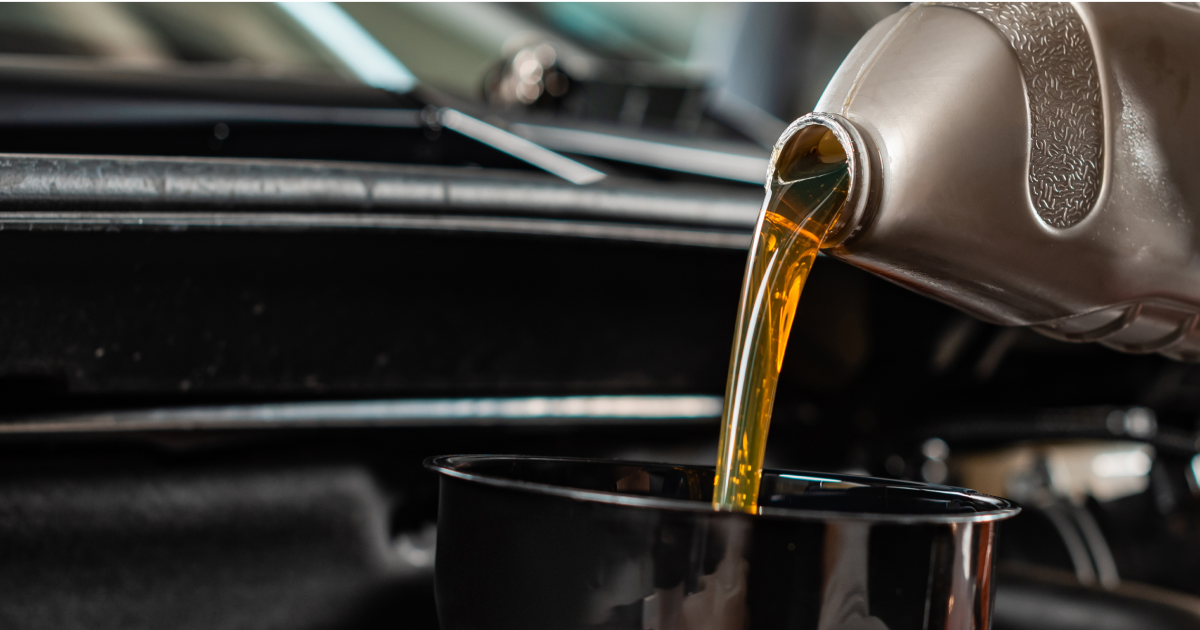
As summer draws to a close in Philadelphia, the heat can sometimes reach its peak. For many vehicle owners, this raises an important question: should you change your oil more frequently in the late summer heat? At Arnie’s Service Center, we understand how crucial it is to keep your car running smoothly, especially during temperature extremes. Let’s explore whether those high temperatures mean you need to pay extra attention to your oil change schedule. Understanding Oil’s Role in Your Engine Before diving into whether you should change your oil more often during late summer, it’s important to understand the vital role oil plays in your engine. Engine oil serves multiple functions: Lubrication: It reduces friction between moving parts, preventing wear and tear. Cooling: It helps dissipate heat away from the combustion chamber. Cleaning: It carries away contaminants and debris, keeping internal components clean. Sealing: It forms a seal between the pistons and cylinder walls, improving efficiency. Given these important tasks, it’s clear that maintaining proper oil quality and levels is essential for the health of your vehicle. The Impact of Summer Heat on Engine Oil Philadelphia summers can be sweltering, and the intense heat can impact your vehicle in several ways. Here’s how high temperatures can affect your engine oil: Increased Oxidation: Heat accelerates the oxidation process, causing oil to break down faster. This can reduce its effectiveness in lubricating and protecting engine components. Viscosity Changes: High temperatures can thin out the oil, affecting its ability to form a protective layer between moving parts. Increased Evaporation: Oil can evaporate more quickly in the heat, which may lead to lower oil levels and reduced protection. Given these factors, it might seem logical to consider more frequent oil changes during the hottest months. Should You Change Your Oil More Often in Late Summer? The necessity of changing your oil more frequently during late summer largely depends on your driving habits and vehicle type. Here are some scenarios where more frequent oil changes could be beneficial: Frequent Short Trips: If you often drive short distances in stop-and-go traffic, your engine may not have enough time to reach optimal operating temperature, which can lead to more contaminants building up in the oil. Heavy Loads or Towing: If you tow trailers or carry heavy loads, your engine works harder and generates more heat, potentially accelerating oil breakdown. High-Performance Driving: If you enjoy spirited driving or own a high-performance vehicle, your engine may produce more heat, necessitating more frequent oil changes. However, for most drivers, following the manufacturer’s recommended oil change intervals is sufficient, even during the summer months. Consulting your vehicle’s owner manual can provide specific guidance tailored to your make and model. Other Tips for Maintaining Your Vehicle in Summer In addition to considering your oil change schedule, there are other maintenance tips that can help keep your vehicle in top shape during the summer: Check Coolant Levels: Ensure your cooling system is working efficiently to prevent overheating. Inspect Tires: High temperatures can affect tire pressure, so regular checks are essential. Examine Hoses and Belts: Heat can cause rubber components to become brittle, so inspect for cracks or wear. Staying proactive with these maintenance tasks can prevent unexpected breakdowns and keep your vehicle running smoothly through the summer. Final Thoughts While the late summer heat in Philadelphia can put extra stress on your vehicle, changing your oil more frequently might not be necessary for everyone. However, if your driving conditions fall into any of the demanding categories mentioned, it might be wise to consider it. At Arnie’s Service Center, we’re here to help you make informed decisions about your vehicle maintenance. If you’re uncertain or have any questions about your oil change schedule, our team is ready to assist. Call today or visit us at Arnie’s Service Center to ensure your car is ready to handle any weather Philadelphia throws its way.

As summer approaches and temperatures begin to rise in Philadelphia, PA, the heat can have a significant impact on your vehicle’s performance. One critical component that often gets overlooked is the car battery. High temperatures can be brutal on your battery, potentially affecting its lifespan and reliability. At Arnie’s Service Center, we understand how crucial it is to ensure your car battery is in top condition to handle the heat. In this post, we’ll explore how you can determine if your car battery is ready for high-temperature conditions and what steps you can take to maintain its health. Understanding the Impact of Heat on Car Batteries Car batteries are sensitive to temperature changes, and while cold weather is often blamed for battery failure, high temperatures can be just as damaging. Heat accelerates the chemical reaction within the battery, which may increase its performance temporarily but can also lead to a faster depletion of its life. Increased Evaporation: High temperatures can cause the battery fluid to evaporate, leading to a lower fluid level. This can damage the internal structure and reduce the battery’s ability to hold a charge. Corrosion Acceleration: Heat can increase the rate of corrosion on the battery terminals, which can affect the electrical connection and overall performance. Increased Demand on Battery: Air conditioning and cooling fans are often used more frequently in hot weather, placing additional demand on the battery. Signs Your Battery Might Be Struggling with the Heat Knowing the warning signs of a struggling battery can save you from unexpected breakdowns. Here are some indicators that your car battery may not be handling the heat well: Slow Cranking: If your engine is slow to start, it might be a sign that your battery is struggling. Dim Lights: Headlights and interior lights that appear dimmer than usual can indicate a weak battery. Warning Light: Many vehicles have a dashboard warning light specifically for battery issues. Swollen Battery Case: High heat can cause the battery case to swell, indicating internal damage. Frequent Jump Starts Needed: If you find yourself needing to jump-start your vehicle often, your battery might be nearing the end of its life. How to Test Your Battery’s Readiness for Heat Before the summer heat sets in, it’s wise to check your battery’s health. Here are some methods to assess its readiness: Conduct a Visual Inspection: Look for any visible signs of corrosion, fluid leakage, or a swollen case. Test the Voltage: Using a multimeter, check the battery voltage. A fully charged battery should read around 12.6 volts or more when the car is off. Load Testing: This process involves checking the battery’s ability to perform under a simulated load. It’s best done by a professional for accurate results. Maintaining Your Battery in Hot Weather To help your car battery withstand high temperatures, consider the following maintenance tips: Regular Inspection: Periodically check the battery for corrosion and clean the terminals if necessary. Check Fluid Levels: If your battery is not a maintenance-free type, ensure the fluid levels are adequate and top up with distilled water if needed. Secure the Battery: Ensure the battery is properly secured to avoid vibrations that could cause damage. Limit Short Trips: Frequent short trips can prevent the battery from fully charging. Try to combine errands to keep the battery healthy. When to Consider a Replacement If your battery is more than three years old, it might be time to consider a replacement, especially if you notice any of the warning signs mentioned earlier. At Arnie’s Service Center, located in the heart of Philadelphia, PA, we can help assess whether a new battery is needed to keep your vehicle running smoothly throughout the summer months. Final Thoughts Ensuring your car battery is ready for high-temperature conditions is essential for maintaining vehicle reliability and performance in the summer heat. If you’re uncertain about your battery’s condition or need assistance with testing and maintenance, don’t hesitate to reach out. Visit Arnie’s Service Center today for professional advice and service to keep your car running smoothly in Philadelphia, PA. Our team is here to help you beat the heat and enjoy a worry-free driving experience.
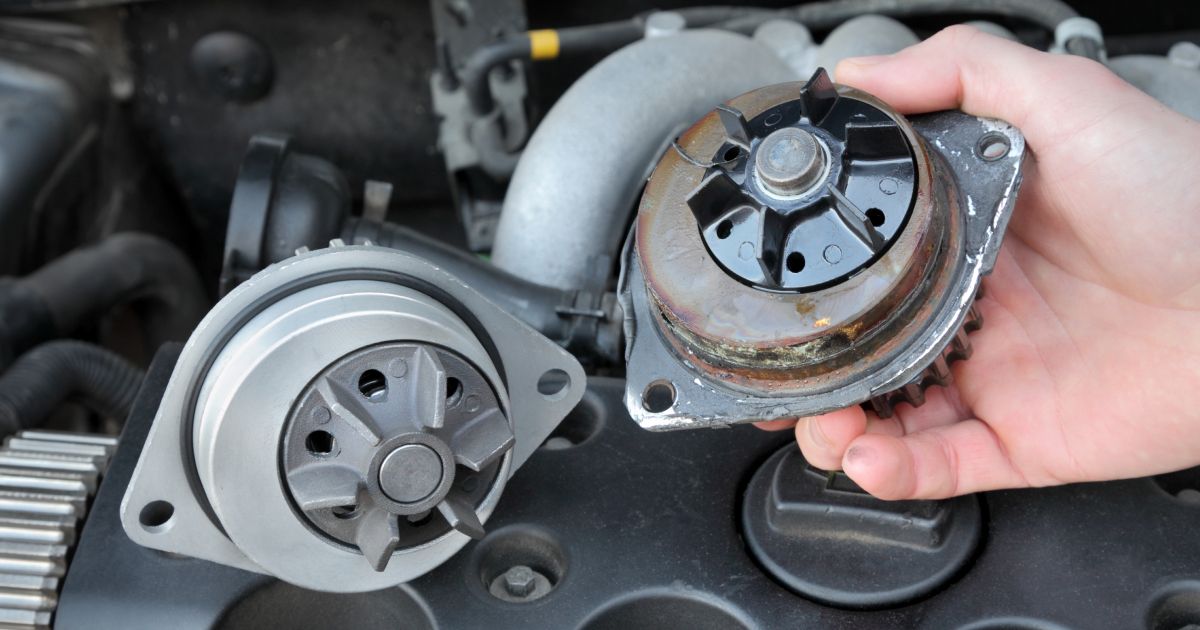
Your car’s engine is a complex machine with many components working together to ensure a smooth ride. Among these, the water pump plays a crucial role in regulating the engine’s temperature by circulating coolant throughout the cooling system. A failing water pump can lead to severe engine damage if not addressed promptly. At Arnie’s Service Center, your trusted local auto repair shop, we understand the importance of keeping your vehicle in peak condition. Here, we’ll highlight the early signs of a failing water pump to help you stay ahead of potential issues. What Does the Water Pump Do? The water pump is an essential part of your vehicle’s cooling system. It circulates coolant from the radiator to the engine and back, preventing overheating. A properly functioning water pump ensures that your engine maintains an optimal temperature, which is vital for performance and longevity. Early Signs of a Failing Water Pump Identifying the early signs of a failing water pump can save you from costly repairs down the road. Here are some indicators to watch for: Coolant Leaks: One of the most common signs of a water pump issue is a coolant leak. You might notice puddles of coolant under your car or around the engine bay. These leaks often occur due to worn-out seals or gaskets in the water pump. Overheating Engine: If your engine frequently overheats, it could be a sign that the water pump is not circulating coolant effectively. Overheating can lead to serious engine damage if not addressed promptly. Unusual Noises: A failing water pump might produce a whining or grinding noise. This is often due to a loose or worn-out belt or bearing within the pump. If you hear unusual sounds coming from the front of your engine, it’s time to have it inspected. Steam or Smoke from the Radiator: Steam or smoke emanating from the radiator or under the hood is a clear sign that your engine is overheating. This could be due to a malfunctioning water pump. Rust or Corrosion on the Pump: Inspect your water pump for any signs of rust or corrosion. These can indicate leaks or that the pump is not functioning properly. How to Prevent Water Pump Failure Regular maintenance is key to preventing water pump failure. Here’s what you can do: Routine Inspections: Regularly check your vehicle’s cooling system, including the water pump, for any signs of wear or leaks. Replace the Coolant: Follow the manufacturer’s guidelines for coolant replacement to ensure the system remains clean and efficient. Listen to Your Vehicle: Pay attention to any unusual sounds or performance issues and address them immediately. Final Thoughts Being aware of the early signs of a failing water pump can help you maintain your vehicle’s health and avoid costly repairs. If you suspect your water pump is failing, don’t wait until it’s too late. At Arnie’s Service Center, we are committed to providing reliable auto repair services to keep your vehicle running smoothly. If you’re experiencing any of these issues or have concerns about your car’s cooling system, call us today or visit us for a thorough inspection. Let our experienced team ensure your vehicle stays in optimal condition..
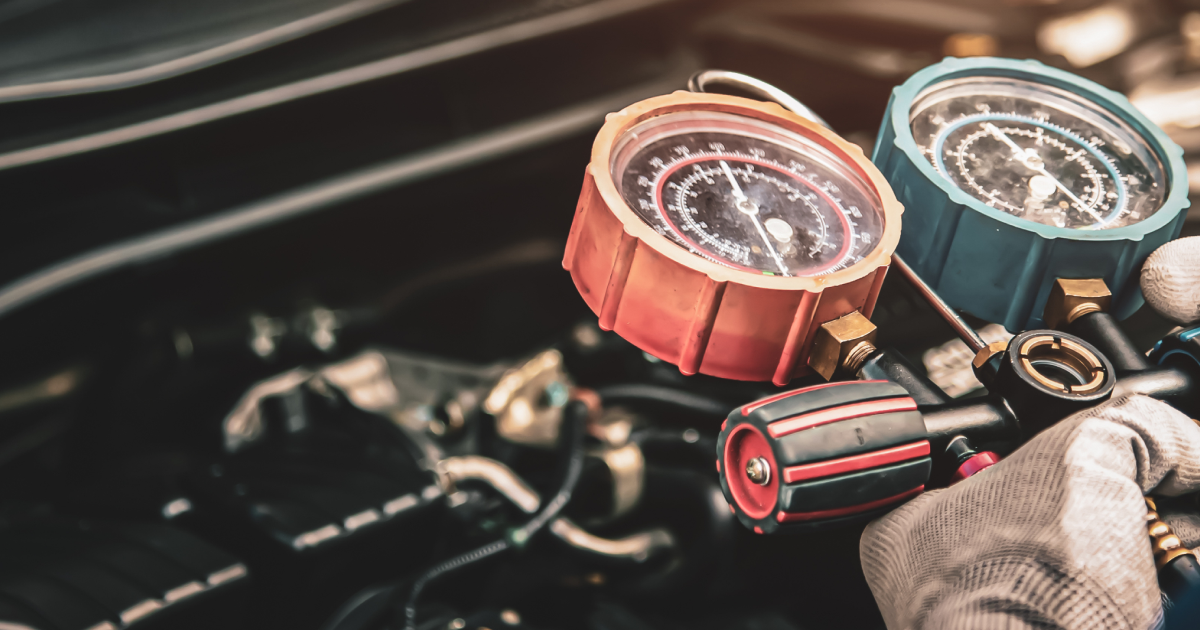
As the temperatures start to rise and warmer weather approaches, many car owners may find themselves questioning whether it’s necessary to repair their car heater. After all, with summer on the horizon, the need for a functioning heater may seem less pressing. However, there are several reasons why it’s important to ensure that your car’s heater is in good working order, regardless of the season. Why Is It Important to Repair Your Car Heater? 1. Comfort While the need for a heater may be more apparent during the colder months, a car heater serves a dual purpose by also providing ventilation and cooling during hot weather. A malfunctioning heater can disrupt the overall climate control system in your car, leading to discomfort for you and your passengers. 2. Defrosting A functioning car heater plays a crucial role in defrosting your windshield and windows, regardless of the outside temperature. Proper defrosting is essential for maintaining visibility and ensuring safe driving conditions. 3. Diagnostic Benefits Addressing heater issues can sometimes uncover larger underlying problems within your vehicle’s heating and cooling system. By proactively addressing heater repairs, you may prevent more extensive and costly issues down the line. 4. Resale Value A well-maintained car, including its heating and cooling systems, will typically have a higher resale value. Potential buyers may view a malfunctioning heater as a red flag, leading to decreased interest and offers. 5. Unexpected Weather Weather patterns can be unpredictable, and unseasonably cold days can occur even in the midst of spring or summer. Having a functional car heater ensures that you are prepared for any weather conditions that may arise. Signs Your Car Heater May Need Repair 1. Lack of Heat If your car heater is blowing cold air or no air at all, it may be a sign of issues such as a faulty thermostat, heater core problems, or low coolant levels. 2. Strange Noises Unusual sounds coming from your car’s heating system, such as rattling or thumping noises, may indicate the need for repairs. 3. Sweet Smell A sweet or syrup-like smell in the cabin of your car could be a sign of a coolant leak, which can affect the performance of your heater. 4. Foggy Windows Persistent fogging on the interior of your windows, even when the defroster is on, may suggest a malfunctioning heater core. DIY vs. Professional Repairs While some car heater issues can be addressed through DIY methods, such as checking coolant levels or replacing a cabin air filter, more complex problems may require the expertise of a professional auto technician. Attempting to repair intricate heating system components without the necessary knowledge and tools can result in further damage and safety risks. Final Thoughts Maintaining a fully functional car heater is essential for both comfort and safety, regardless of the upcoming weather. By addressing any heater issues promptly and enlisting the help of a qualified professional when needed, you can ensure a comfortable and enjoyable driving experience year-round. Don’t wait for the colder months to arrive; take care of your car’s heating system proactively.

When the temperature drops, your vehicle’s engine can face some challenges. Cold weather can impact the performance of your engine, leading to various issues that may affect your car’s overall functionality. As a responsible car owner, it’s essential to be aware of the signs that indicate your engine is struggling in cold weather. By recognizing these signs early on, you can take the necessary steps to prevent further damage and keep your vehicle running smoothly during the winter months. Difficulty Starting the Engine One of the most common signs that your engine is struggling in cold weather is difficulty starting the engine. Cold temperatures can make it harder for the engine to turn over, leading to sluggish or delayed starting. If you notice that your car takes longer to start or requires multiple attempts before it finally turns over, it could indicate an issue with your engine’s performance in cold weather. Rough Idling Another sign of engine struggles in cold weather is rough idling. If your engine is not running smoothly when the vehicle is at a standstill, especially when you first start it up on a cold morning, it could be a sign of poor engine performance. Rough idling can be caused by issues such as dirty fuel injectors, clogged air filters, or worn spark plugs, all of which can be exacerbated by cold weather conditions. Reduced Fuel Efficiency Cold weather can also lead to reduced fuel efficiency in your vehicle. When the engine is struggling in cold temperatures, it may require more fuel to operate efficiently. If you notice that you are filling up your gas tank more frequently than usual during the winter months, it could be a sign that your engine is not performing at its best. Keeping track of your fuel consumption can help you identify potential engine issues early on. Loss of Power A noticeable loss of power while driving can indicate that your engine is struggling in cold weather. If you experience a decrease in acceleration or overall power when operating your vehicle in cold temperatures, it could be a sign of issues such as fuel line freezing, low engine compression, or problems with the ignition system. Addressing these issues promptly can help prevent further damage to your engine. Check Engine Light If your vehicle’s check engine light comes on during cold weather, it should not be ignored. The check engine light is an indicator that something is wrong with your engine and requires immediate attention. Cold weather can exacerbate existing engine issues or cause new ones to arise, triggering the check engine light. Get your vehicle inspected by a professional mechanic to diagnose the problem and prevent costly repairs down the line. Strange Noises Unusual noises coming from your engine during cold weather can be a cause for concern. Squealing, knocking, or grinding sounds could indicate a range of issues, from belt or pulley problems to low oil levels or engine misfires. Ignoring these noises can lead to more significant engine damage over time. If you hear any unusual sounds coming from your engine, have it checked by a qualified mechanic as soon as possible. Why Your Engine Struggles in Cold Weather Understanding why your engine struggles in cold weather can help you prevent these issues from occurring in the first place. Some common reasons for engine struggles during the winter months include: Cold oil: Cold weather can cause motor oil to thicken, making it harder for the engine to lubricate its moving parts efficiently. Battery issues: Cold temperatures can reduce the capacity of your car’s battery, making it harder to start the engine. Fuel problems: Cold weather can cause fuel to evaporate more slowly, leading to combustion issues and reduced engine performance. Spark plug issues: Worn or dirty spark plugs can misfire more frequently in cold weather, affecting engine performance. Preventive Measures To help your engine perform better in cold weather and prevent issues from arising, consider taking the following preventive measures: Use the right oil: Switch to a lighter oil grade during the winter months to help your engine start more easily in cold temperatures. Keep the battery healthy: Ensure your car’s battery is in good condition and consider using a battery warmer in extreme cold weather. Monitor fuel levels: Keep your gas tank at least half full during cold weather to prevent fuel line freezing and ensure proper engine performance. Check spark plugs: Inspect your spark plugs regularly and replace them if necessary to maintain optimal engine performance. Schedule regular maintenance: Stay on top of routine maintenance tasks, such as oil changes, filter replacements, and tune-ups, to keep your engine in top shape. By being proactive and addressing potential engine issues early on, you can ensure that your vehicle performs reliably during the cold winter months. Remember that regular maintenance and attentive care are key to keeping your engine running smoothly in all weather conditions. Final Thoughts Recognizing the signs that your engine is struggling in cold weather is the first step toward maintaining your vehicle’s performance and preventing costly repairs. By staying vigilant and addressing any issues promptly, you can keep your engine in top condition and enjoy hassle-free driving throughout the winter season. Prioritize preventive maintenance and consult with a professional mechanic if you notice any concerning signs of engine struggles in cold weather. With proper care and attention, you can keep your engine running smoothly no matter how low the temperature drops.
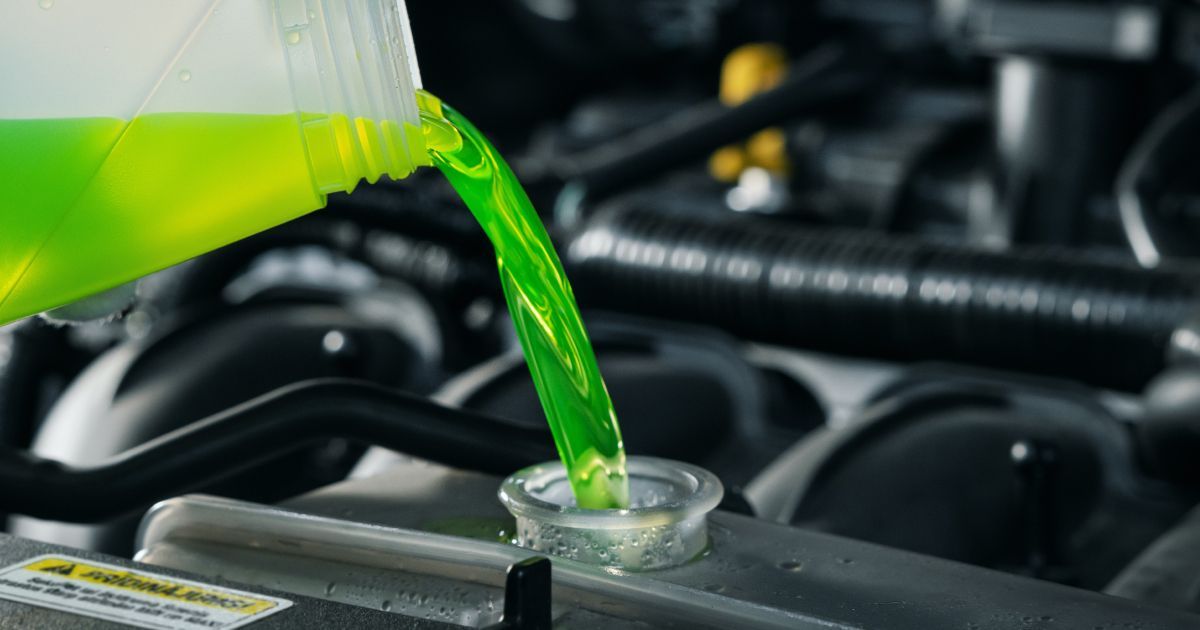
As the temperature drops this January, it’s essential to ensure that your vehicle is prepared to withstand the chilly weather. One crucial component to pay attention to is the antifreeze in your engine. Antifreeze, also known as coolant, plays a vital role in maintaining your engine’s temperature and protecting it from freezing in cold conditions. But how do you know if your antifreeze is still effective in safeguarding your engine this winter? In this article, we will discuss how you can check if your antifreeze is protecting your engine and the importance of proper maintenance in cold weather. Why is Antifreeze Important? Antifreeze is a fluid that runs through your engine to regulate its temperature. In cold weather, antifreeze prevents the engine from freezing by lowering the freezing point of the coolant. Additionally, antifreeze helps prevent corrosion and rust within the cooling system, extending the life of your engine. How to Check if Your Antifreeze is Protecting Your Engine Here are some steps you can take to ensure that your antifreeze is still effectively protecting your engine this winter: 1. Check the Color Most antifreeze solutions are brightly colored to make it easy to identify. The color of your antifreeze can give you an indication of its condition: Green: Traditional antifreeze that needs to be changed every two years. Orange or Pink: Extended-life antifreeze that can last up to five years. Yellow: Hybrid organic acid technology (HOAT) antifreeze with a longer lifespan. If the color of your antifreeze appears faded or discolored, it may be time to replace it. 2. Use a Hydrometer A hydrometer is a tool that measures the specific gravity of your antifreeze, indicating its freezing point. Follow these steps to use a hydrometer: Allow the Engine to Cool: Make sure the engine is cool before opening the radiator cap. Dip the Hydrometer: Insert the hydrometer into the radiator and squeeze the bulb to draw in the antifreeze. Read the Gravity: Check the scale on the hydrometer to determine the freezing point of your antifreeze. If the reading indicates that the freezing point is above the expected temperature for your area, it’s time to replace the antifreeze. 3. Perform a pH Test You can also test the acidity or alkalinity of your antifreeze by using pH test strips. Antifreeze with the correct pH level helps prevent corrosion within the cooling system. Follow the instructions on the test strips to determine if your antifreeze is still within the recommended pH range. 4. Look for Signs of Contamination Inspect your antifreeze for any signs of contamination, such as oil or dirt particles. Contaminated antifreeze can lead to engine damage and should be replaced immediately. The Importance of Proper Antifreeze Maintenance Proper maintenance of your antifreeze is crucial to ensure your engine’s longevity and performance, especially in cold weather. Here are some reasons why you should prioritize antifreeze maintenance: Prevents Freezing: Effective antifreeze prevents your engine from freezing in cold temperatures, avoiding costly repairs. Protects Against Corrosion: Regular antifreeze changes help prevent corrosion and rust within the cooling system, extending the life of your engine. Ensures Optimal Engine Performance: By maintaining the right antifreeze concentration and pH level, you can ensure that your engine runs smoothly even in winter conditions. Final Thoughts Checking if your antifreeze is protecting your engine this January is a crucial part of winter vehicle maintenance. By following the steps outlined in this article and staying proactive in monitoring your antifreeze’s condition, you can ensure that your engine stays protected and performs optimally throughout the winter months. Remember, proper maintenance of your antifreeze is key to keeping your engine running smoothly in cold weather.
As the colder months approach, it’s essential to ensure that your car is prepared for the winter weather. By performing some key maintenance tasks, you can help prevent breakdowns, stay safe on the roads, and potentially save money on costly repairs. Here are some top maintenance tasks you should check when winterizing your car: 1. Check Your Battery Cold weather can take a toll on your car’s battery, as it requires more power to start in low temperatures. Before winter sets in, have your battery tested to ensure it’s in good condition. If it’s more than three years old, you may want to consider replacing it to avoid being stranded on a cold winter day. 2. Inspect Your Tires Tires are crucial for maintaining traction on icy or snow-covered roads. Make sure your tires are properly inflated and have adequate tread depth. Consider switching to winter tires for improved grip in harsh conditions. Additionally, don’t forget to check the alignment and balance of your tires to prevent uneven wear. 3. Change Your Oil Cold weather can cause oil to thicken, making it harder for your engine to start. To prevent engine damage, consider switching to a winter-grade oil with a lower viscosity. Also, make sure to replace the oil filter to ensure optimal engine performance. 4. Check Your Antifreeze Levels Antifreeze, also known as coolant, is essential for preventing your engine from freezing in cold temperatures. Check the levels of antifreeze in your car and top it up if necessary. It’s also a good idea to have your cooling system inspected for any leaks or issues that may arise during the winter months. 5. Test Your Heating System A functioning heating system is vital for staying warm and comfortable while driving in the winter. Before the temperatures drop, test your heater to make sure it’s working correctly. If you notice any unusual smells or lack of heat, have your heating system inspected by a professional. 6. Check Your Wiper Blades and Fluid Visibility is crucial when driving in winter weather conditions. Inspect your wiper blades for any signs of wear or damage, and replace them if necessary. Also, make sure your windshield washer fluid is topped up with a winter-specific formula that won’t freeze in cold temperatures. 7. Inspect Your Lights With shorter days and longer nights in the winter, it’s essential to ensure that all your lights are working correctly. Check your headlights, taillights, brake lights, and turn signals to make sure they are all functioning properly. If any bulbs are burnt out, replace them immediately. 8. Test Your Brakes Brakes are crucial for safe driving, especially in slippery winter conditions. Have your brakes inspected to ensure they are in good working condition. If you notice any unusual noises or vibrations when applying the brakes, have them checked by a professional mechanic. By performing these top maintenance tasks when winterizing your car, you can help ensure that your vehicle is ready to tackle the challenges of the cold weather season. Stay safe on the roads and enjoy a hassle-free winter driving experience by taking care of your car’s essential components. Final Thoughts Preparing your car for winter is a proactive way to prevent potential issues and maintain its performance during the colder months. By following these top maintenance tasks, you can help ensure that your vehicle stays in top condition and operates safely in winter weather conditions. Remember, regular maintenance is key to prolonging the life of your car and avoiding unexpected breakdowns. Stay ahead of the game by winterizing your car before the cold weather arrives.

As the temperatures drop and the winter weather sets in, it’s crucial to pay attention to your car’s health, especially when the dreaded check engine light comes on. Dealing with car troubles can be stressful, but knowing how to handle the situation can save you time, money, and frustration. Here are some essential steps to take when your car’s check engine light comes on during the winter months. 1. Don’t Panic, and Assess the Situation When the check engine light illuminates on your dashboard, the first instinct may be to panic. However, it’s essential to stay calm and assess the situation. Consider if your car is showing any other symptoms like strange noises, rough idling, or decreased performance. This information can help you determine the severity of the issue. 2. Check Your Gas Cap Believe it or not, something as simple as a loose or damaged gas cap can trigger the check engine light. In colder temperatures, gas caps can become less effective at sealing, causing the light to come on. Ensure your gas cap is securely tightened. If the light remains on, move on to the next steps. 3. Monitor Your Temperature Gauge In winter, your car’s cooling system works harder to maintain the engine’s optimal temperature. If your temperature gauge is showing high readings, it could indicate a problem with the cooling system, which may trigger the check engine light. Pull over and let the engine cool down before continuing your journey or seek professional help. 4. Check Your Fluid Levels Low fluid levels, especially for coolant and oil, can lead to engine issues and trigger the check engine light. Make sure to check your fluid levels regularly, especially in colder weather, where fluid consumption may increase. Top up any low fluids following your car manufacturer’s recommendations. 5. Avoid Overworking Your Engine Cold weather can be tough on your car’s engine, so try to avoid overworking it during the winter months. Excessive idling or revving can strain the engine and lead to performance issues. Be gentle on the gas pedal and drive smoothly to prevent additional stress on your vehicle. 6. Schedule a Diagnostic Check If the check engine light persists or if you notice other concerning symptoms, it’s best to schedule a diagnostic check with a qualified mechanic. Modern vehicles have complex onboard diagnostics systems that can pinpoint the exact issue triggering the light. Addressing the problem early can prevent further damage and costly repairs. 7. Be Prepared for Emergencies Winter weather can be unpredictable, so it’s crucial to be prepared for emergencies while on the road. Keep an emergency kit in your car stocked with essentials like a flashlight, blankets, water, non-perishable snacks, and a first aid kit. Additionally, consider having roadside assistance coverage for added peace of mind. Final Thoughts Dealing with a check engine light during the winter can be challenging, but by following these essential steps, you can address the issue effectively and ensure your safety on the road. Remember to stay proactive with your car’s maintenance, especially during the colder months, to prevent unexpected breakdowns. If in doubt, always seek professional help to diagnose and resolve any car issues promptly. Stay safe and drive confidently, even in the winter weather.
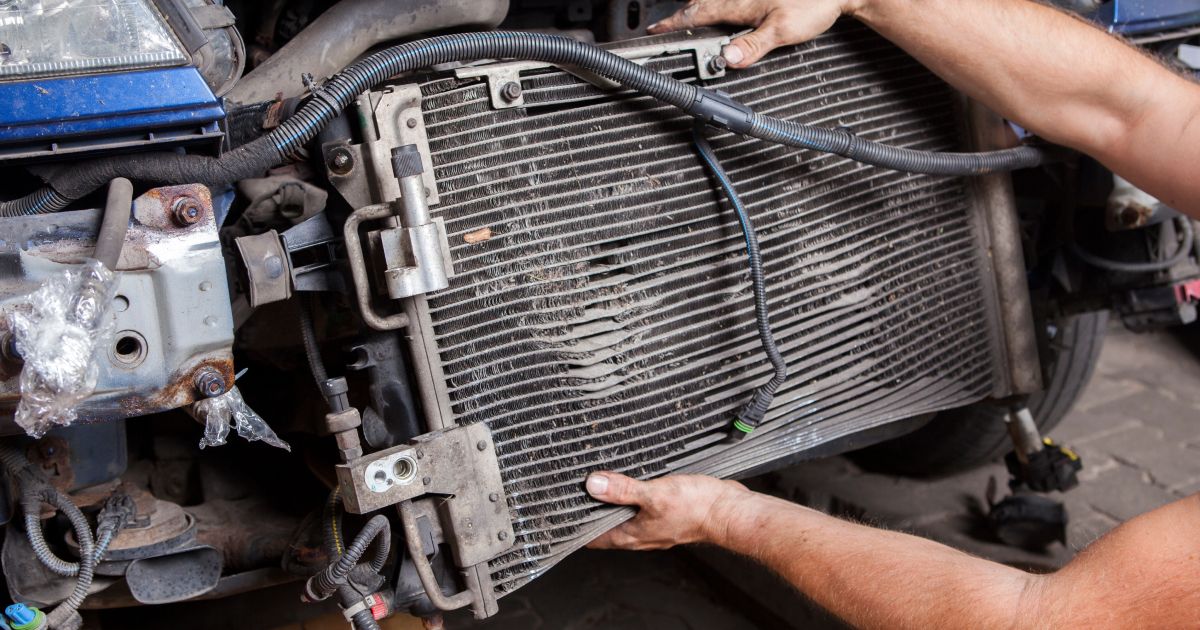
As the cooler months approach, it’s crucial to ensure that your vehicle’s radiator is in optimal condition to handle the changing temperatures. A well-maintained radiator not only keeps your engine cool but also helps prevent breakdowns in the colder months. Here are some essential tips to keep your radiator in check for fall and winter: Regular Inspections Regular inspections of your radiator are key to identifying any issues before they escalate into major problems. Check for leaks, corrosion, and damaged hoses. Look for any signs of coolant leaks or discoloration as these can indicate a problem with your radiator. Coolant Levels Maintaining the proper coolant levels is essential for your radiator to function effectively. Check the coolant reservoir regularly and top it off as needed. Make sure to use the recommended type of coolant for your vehicle to prevent corrosion and ensure optimal performance. Cooling System Flush Over time, dirt and debris can build up in your radiator, leading to clogs and decreased efficiency. A cooling system flush can help remove these contaminants and keep your radiator clean. Consider flushing your radiator at least once a year or as recommended by your vehicle’s manufacturer. Check the Thermostat A faulty thermostat can cause your engine to overheat or not reach the optimal temperature. Ensure that your thermostat is functioning correctly to prevent any issues with your radiator. If you notice irregular temperature gauge readings, it may be time to replace your thermostat. Inspect the Radiator Cap The radiator cap plays a crucial role in maintaining the proper pressure levels within the cooling system. Inspect the radiator cap for any signs of wear or damage and replace it if necessary. A faulty radiator cap can lead to coolant leaks and overheating. Keep the Exterior Clean External debris such as dirt, leaves, and bugs can accumulate on your radiator and hinder airflow. Regularly clean the exterior of your radiator to ensure proper ventilation and prevent overheating. Use a gentle brush or compressed air to remove any debris gently. Check for Signs of Overheating Keep an eye out for signs of overheating, such as steam coming from under the hood, a hot or sweet smell, or temperature gauge spikes. If you notice any of these signs, pull over safely, turn off your engine, and allow it to cool down before investigating further or seeking professional help. Professional Inspection In addition to regular maintenance tasks, it’s essential to have your radiator professionally inspected at least once a year. A qualified mechanic can perform a thorough inspection of your radiator and cooling system, identify any potential issues, and address them promptly. By following these tips and staying proactive about radiator care, you can ensure that your vehicle’s radiator is ready to tackle the challenges of fall and winter. Proper maintenance not only extends the life of your radiator but also contributes to the overall health and performance of your vehicle. Stay ahead of any potential problems and enjoy a worry-free driving experience during the colder months. Final Thoughts Taking care of your radiator is essential for maintaining your vehicle’s performance and reliability, especially as the temperatures drop. By following these simple tips and staying proactive about radiator care, you can ensure that your radiator is in top condition for fall and winter. Remember, regular maintenance and inspections are key to preventing costly repairs and breakdowns down the road. Stay tuned for more tips on keeping your vehicle running smoothly all year round.